
Working Away, Better: Creating the Conditions for People to Thrive Away From Home
An introduction to the Working Away, Better series
Every day across the UK, thousands of people pack a bag, leave home and travel to work. Some stay away for one night. Others for weeks or months at a time. They are serving in the Armed Forces, working on construction projects, maintaining critical infrastructure, caring for patients, supporting major events, travelling for business or delivering specialist expertise wherever it is needed. Working away from home has become part of modern life.
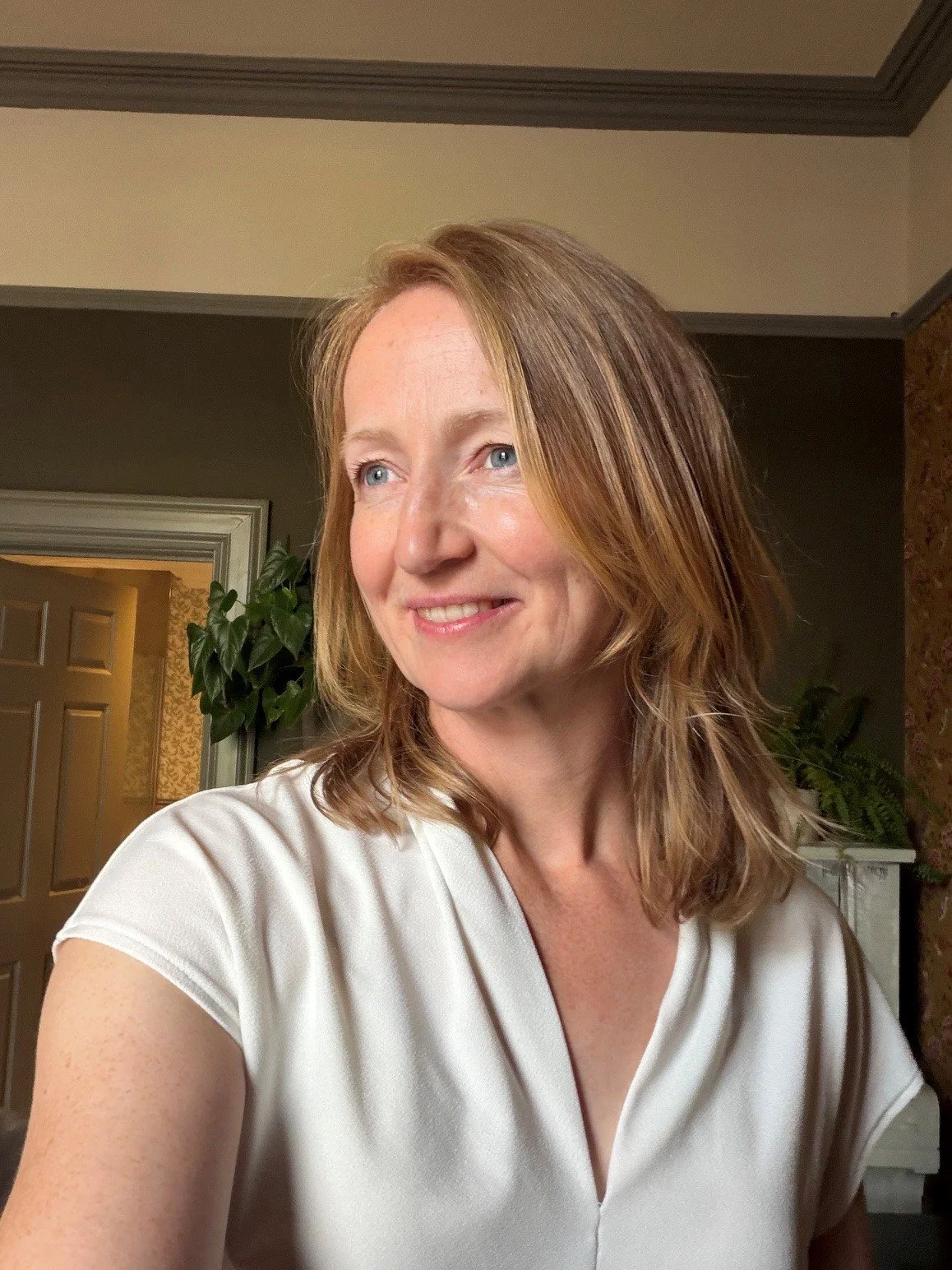
Yet despite the number of people who do it, I’ve started to wonder whether we truly understand what it asks of them. Over the past year, this question has become increasingly personal.
As the owner of A Little Place, I have had countless conversations with guests who regularly work away. I've personally experienced periods away from home, as a serving member of our Armed Forces as well as in previous careers which demanded high volumes of travel, and have seen the impact that separation can have on individuals and families.
More recently, through military networks, employers and healthcare professionals, I've found myself listening to a growing number of stories that all seem to point towards the same question.
What helps people not just cope with working away from home, but genuinely thrive?
That question became the starting point for Working Away, Better.
Not a programme.
Not a consultancy.
Not a campaign with predetermined answers.
An exploration.
We often focus on the wrong question
Much of the conversation around employee wellbeing quite rightly focuses on encouraging healthier behaviours. How do we help people eat better? Exercise more? Sleep well? Look after their mental health?
These are all important questions.
But through conversations with people who spend significant periods away from home, I've begun to think we're missing something fundamental. Perhaps the challenge isn't a lack of motivation. Perhaps it's the environment. Think about your own life for a moment. At home, many of your healthy behaviours happen almost without thinking.
You know where to buy food.
You have favourite walking routes.
You have people who notice if you've had a difficult day.
You probably have routines you've developed over years.
Your environment quietly supports your decisions.
Now imagine removing all of that. Different bed. Different timetable. Different food options. No familiar faces. Limited opportunities to exercise. A room that doesn't quite feel like yours. Suddenly, every positive choice requires a little more effort. It's not because you've become less disciplined. It's because you've lost the systems that normally support you.
That simple observation has changed how I think about wellbeing.
Thriving is about conditions, not just choices

Working Away, Better - Roundtable No.1
One of the biggest insights to emerge from the first Working Away, Better – Roundtable wasn't a new wellbeing initiative or groundbreaking piece of research.
It was something much simpler. People don't thrive because they have more willpower. They thrive because the conditions around them make healthy behaviours easier to sustain.
As we listened to perspectives from medicine, nutrition, physical performance and lived experience, the conversation repeatedly returned to ideas that were surprisingly ordinary: Routine. Fresh air. Shared meals. Walking. Good conversations. Purpose. Connection. Time to recover.
None of these felt revolutionary.
Yet together they painted a picture of something much bigger. Perhaps wellbeing isn't built through isolated interventions. Perhaps it's created through an environment that consistently supports people over time.
Introducing the Working Away, Better Framework
Following that first roundtable, I found myself reflecting on the conversations and noticing patterns. Rather than a list of wellbeing initiatives, a framework began to emerge as a way of understanding the conditions that help people thrive when work takes them away from home. You’ll find these explored further in the series, ranging from environment, belonging, routine, recovery, relationships and purpose.
Why this matters for employers
This isn't simply an individual responsibility. Employers have an opportunity to ask different questions.
Instead of asking:
"How do we encourage healthier choices?"
Perhaps we should also ask:
"What conditions are we creating for our people?"
Do work patterns allow time to recover? Do accommodation choices support healthy routines? Are managers equipped to recognise isolation as well as fatigue? How easy is it for someone to maintain the habits that keep them physically and mentally well?
These aren't just wellbeing questions.
They're leadership questions.
Why this matters for hospitality
As someone who welcomes corporate guests, this has challenged my own thinking too. Hospitality isn't only about providing somewhere to sleep. It's about creating environments where people can feel comfortable enough to recover. That might mean making it easier to prepare healthy meals. Providing information about local walking routes. Creating welcoming communal spaces. Most of all we love helping guests feel recognised rather than anonymous. Small details can have a significant impact on someone's experience of being away from home.
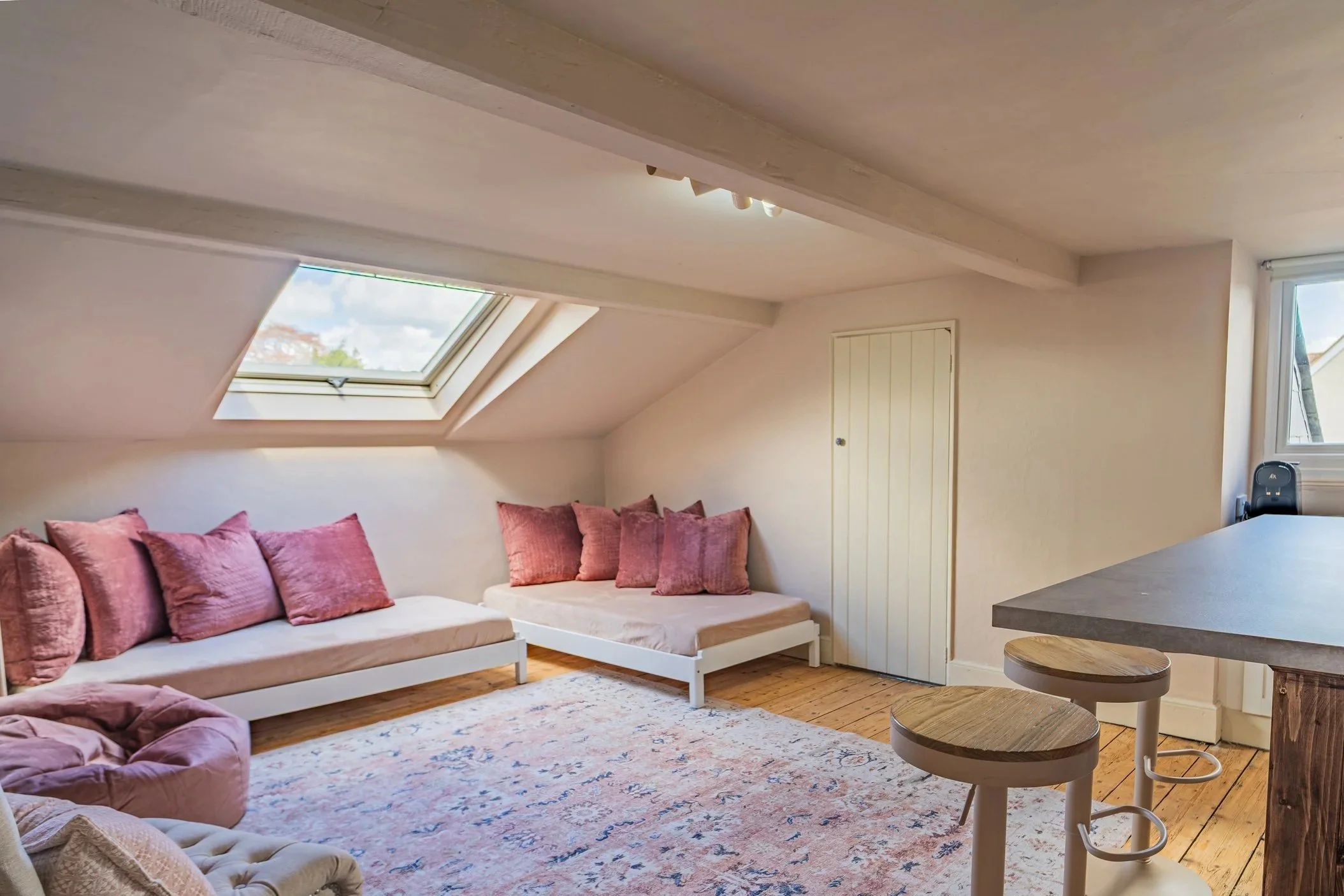
The Loft at Fairlawn House, A Little Place in Amesbury
Why this conversation is only just beginning
The more people I speak to, the more I realise how much there is still to learn.
Project Managers.
Military families.
Healthcare professionals.
Engineers.
Consultants.
Professional athletes.
Hospitality providers.
Each brings a different perspective.
Yet many describe remarkably similar experiences.
That's why Working Away, Better exists. Not to present definitive answers. But to bring together diverse perspectives, ask better questions and gradually build a deeper understanding of what helps people thrive when work takes them away from home. I suspect the most valuable insights won't come from one expert or one organisation. They'll emerge from thoughtful conversations between people who rarely have the opportunity to sit around the same table. And something took me by surprise, the impact of the conversation on the people in the room…feeling inspired to review their own environment, make their own healthier choices and appreciate their relationships even more.
An invitation
This article isn't the conclusion of a conversation. It's the beginning. If your work regularly takes you away from home or you lead people whose work does, I’d genuinely love to hear your perspective.
What helps you stay healthy, connected and resilient when you're away?
And perhaps an even bigger question:
What conditions do organisations need to create if they want people not simply to work away, but to work away, better?